What Are Backlinks? Meaning, Types and Examples
Backlinks are links from other websites that point to your website. If a blog, news site, directory, partner page, or industry resource links to your page, that link becomes a backlink for your site. In simple words, backlinks work like online recommendations.
Table of Contents
For SEO, backlinks help search engines judge trust, relevance, and authority. A useful backlink can improve rankings, bring referral traffic, help Google discover pages faster, and support brand visibility. But every link is not equal. A link from a trusted, relevant website can help. A link from a spammy, unrelated, or paid link network can hurt.
For Indian startups, business owners, and marketing teams, the goal is not to collect thousands of random links. The goal is to earn SEO backlinks from websites your audience already trusts.
Why Backlinks Matter for SEO and AI Visibility
Strong backlinks tell search engines that real websites trust your content, but quality, context, and relevance matter more than raw link count.
Google Search Central’s SEO Starter Guide explains that search engines discover and understand pages through crawling, indexing, and useful signals. Backlinks support that process because they connect your site to the wider web. SEO tools like Semrush, Ahrefs, and SE Ranking also study referring domains, anchor text, and link quality to measure backlink strength.
One link from a respected Indian business publication may help more than 50 weak directory links. Backlinks usually support authority, referral traffic, faster discovery, and brand credibility. Fit matters. A finance blog linking to a loan advisory page makes sense. A random gaming site linking to that page looks unnatural.
What Are Backlinks in SEO? A Simple Example
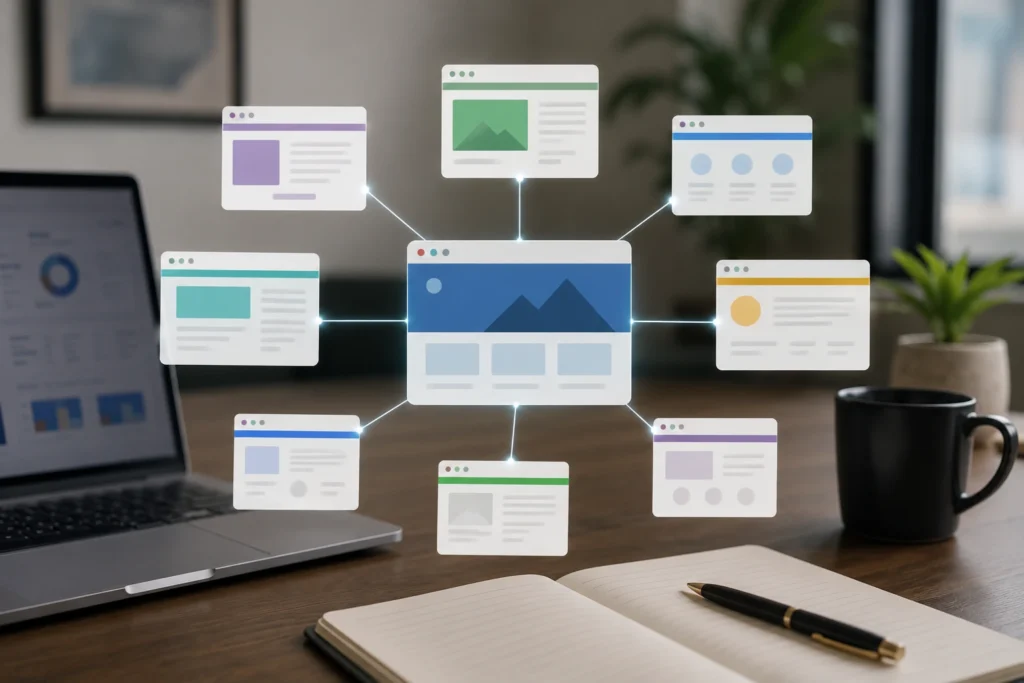
A backlink is created when another website adds a clickable link that sends users to your page as a reference, recommendation, or source.
Example: Digirank publishes a guide on local SEO for clinics. A healthcare marketing blog mentions that guide and links to it. That link is a backlink.
Search engines also check the page around the link. Is the linking page relevant? Does the anchor text sound natural? Google’s link best practices also stress clear, useful anchor text. Is the link placed inside useful content or hidden in a spammy footer? That is why backlinks are part of off-page SEO.
Types of Backlinks in SEO You Should Know

The main types of backlinks in SEO include social bookmarking, article submission, forum submission, guest posting, business listing, profile creation, and resource page backlinks. Google’s outbound link qualification guide explains when to use rel values like sponsored, ugc, and nofollow.
|
Backlink type |
Meaning |
Best use |
|---|---|---|
|
Social bookmarking |
Sharing website pages on bookmarking platforms |
Content discovery and referral traffic |
|
Article submission |
Publishing useful articles on relevant third-party sites |
Topic authority and brand visibility |
|
Forum submission |
Adding helpful answers or discussions in niche forums |
Community trust and referral visits |
|
Guest posting |
Writing content for a relevant industry website |
Authority building and targeted traffic |
|
Business listing |
Adding company details on trusted directories |
Local SEO and citation building |
|
Profile creation |
Creating brand profiles on credible platforms |
Brand presence and basic trust signals |
|
Blog commenting |
Leaving useful comments on relevant blogs |
Relationship building, not spam links |
|
Resource page backlinks |
Getting listed on helpful resource pages |
High-quality referral and SEO value |
If you ask how many types of backlinks exist, the practical answer is this: most links fall into three groups. They are earned links, manually built links, and self-created links. Earned links are usually the safest. Self-created links need the most caution.
Good Backlinks vs Bad Backlinks

A good backlink comes from a relevant, trusted page and helps readers, while a bad backlink exists mainly to manipulate rankings.
A strong backlink usually comes from a real website with useful content, topical relevance, natural anchor text, and some chance of referral traffic. A bad backlink often comes from copied content sites, link farms, private blog networks, automated comments, or unrelated directories.
Do not panic if a backlink checker shows a few spam links. Most websites attract random poor links over time. Google can often ignore many of them. Act only when you see a clear pattern, a manual action, or a history of manipulative link building. Google’s spam policies explain the kinds of link practices that can violate search quality rules.
How to Make Backlinks for Website Growth
The safest way to make backlinks for website growth is to create useful assets, promote them to relevant people, and earn links through trust.
Start with content worth citing. Publish reports, checklists, calculators, templates, local studies, pricing guides, or original surveys. A startup can publish Indian SaaS marketing benchmarks. A real estate firm can publish a Bangalore home-buying cost checklist.
Use guest posting carefully. Write only for relevant websites. Avoid sites that publish every topic from casino to education to loans. Keep anchor text natural. Use brand names, page titles, and partial-match phrases instead of repeating exact keywords.
Also find unlinked brand mentions. If someone mentions your brand without linking, politely ask them to add a link for reader reference. For broken backlinks, redirect old 404 URLs to the closest live page or ask the publisher to update the link.
How Many Backlinks Do You Need?
There is no fixed number of backlinks needed to rank because competition, content quality, search intent, and domain strength change the answer.
A low-competition local keyword may need only a few strong referring domains. A national keyword like “SEO services India” may need many more links, stronger content, better internal linking, and higher topical authority.
Instead of asking only “how many backlinks do I need?”, compare the top-ranking pages. Check their referring domains, link relevance, linked pages, content depth, and intent match.
Digirank’s Expert View: Backlinks Are Trust Infrastructure
At Digirank, we do not treat backlinks as a numbers game. We treat them as trust infrastructure for long-term online growth.
Many Indian businesses buy cheap backlink packages because the report looks impressive. But rankings often do not move because the links lack relevance, traffic, and editorial value.
A better approach is slower but stronger. Build content worth citing. Fix technical SEO. Improve internal linking. Earn local mentions. Get listed where customers already look. Track leads and conversions, not only rankings.
Good backlinks should support business growth. If a link helps the right buyer discover your brand, it has value beyond SEO.
Track Backlinks Like a Business Metric

Backlinks become useful when you connect them to rankings, traffic, leads, and conversions.
Track new referring domains, lost backlinks, anchor text, referral traffic, organic keyword movement, and leads from organic pages. A reliable backlink workflow should sit inside a wider monthly SEO strategy, not run as a random one-time task. Use Google Search Console for search visibility, GA4 for referral traffic, and SEO tools for link profile checks. The official Search Console Links report can show who links to you most and which pages get the most backlinks.
Do not judge results in a few days. Search engines may take weeks or months to process new signals. Look for steady growth, not sudden spikes.
Final Thoughts
Backlinks still matter, but they work best when your content, website structure, and user experience already deserve attention.
If you are building backlinks in India, focus on relevance, trust, and usefulness. Avoid shortcuts. Earn links from websites that make sense for your audience. Keep anchors natural. Build trust signals that support Google E-E-A-T. Measure impact on leads and conversions.
Need stronger online visibility, better qualified leads, and measurable ROI from SEO? Explore Digirank’s SEO services in Bangalore to build a practical SEO strategy that improves search presence, attracts ready-to-convert buyers, and turns organic traffic into real growth.
FAQs About Backlinks
These FAQs explain backlinks, SEO backlinks, and common link-building doubts in simple answers. They are written for business owners who want quick, practical clarity before planning an SEO strategy.
1. What are backlinks in simple words?
Backlinks are links from other websites to your website. They act like recommendations and can help search engines trust your content.
2. Are backlinks still important for SEO?
Yes. Backlinks still matter, but only when they come from relevant, trusted websites and support useful content.
3. What are the best types of backlinks in SEO?
Editorial backlinks, relevant guest post links, resource page links, and trusted local citations are usually the best types of backlinks in SEO.
4. How to make backlinks for website ranking?
Create useful content, pitch it to relevant sites, write quality guest posts, reclaim broken links, and convert unlinked brand mentions into links.
5. How many backlinks do I need to rank?
There is no fixed number. It depends on keyword competition, content quality, search intent, domain strength, and competitor backlink profiles.
6. Are nofollow backlinks useful?
Yes. Nofollow backlinks may not pass direct ranking value, but they can bring referral traffic, brand visibility, and natural link diversity.
7. Can bad backlinks hurt my website?
Yes, risky backlinks from spam sites, link farms, or paid networks can hurt SEO, especially if there is a clear manipulative pattern.